
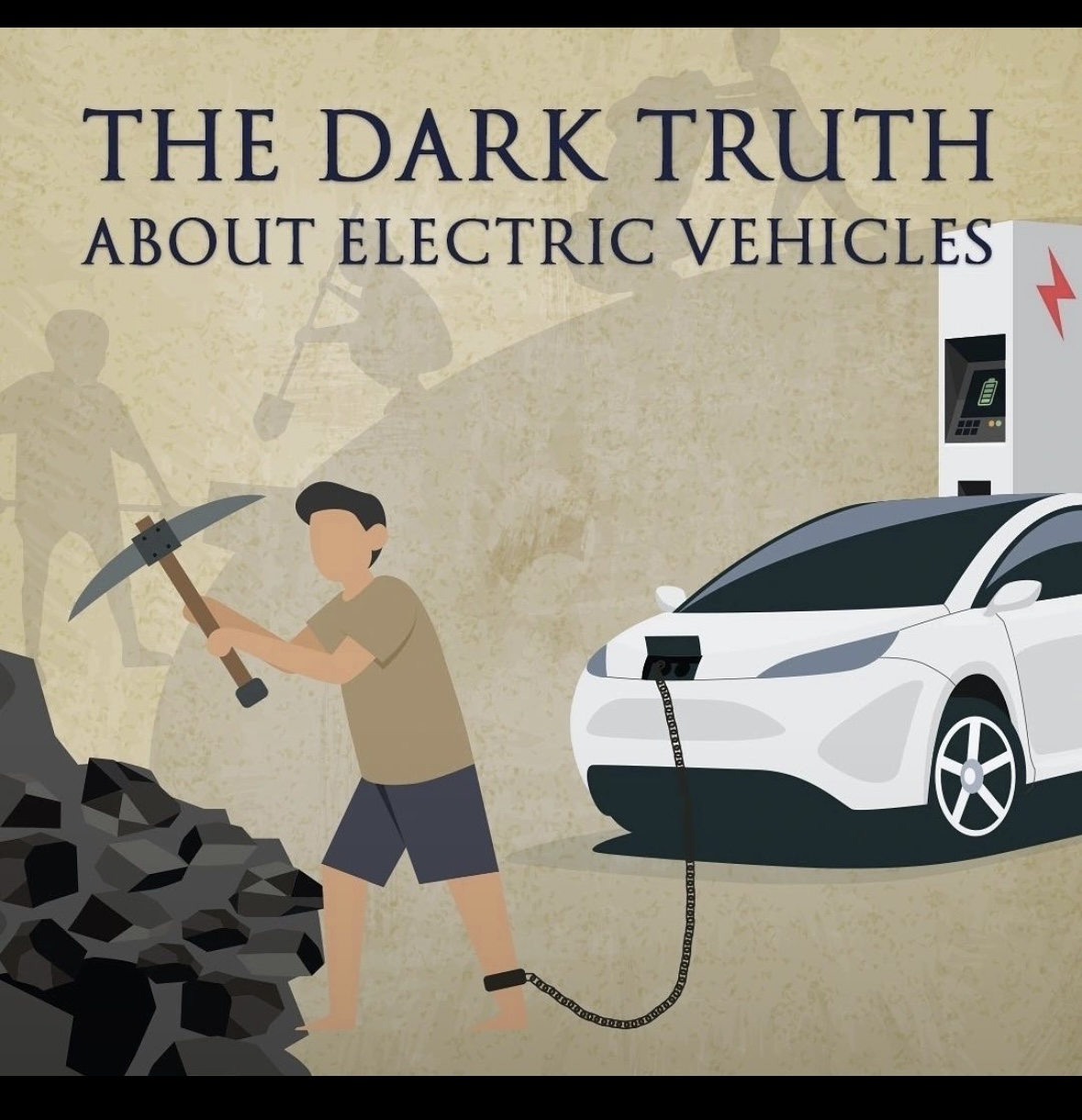
The Dark Truth About Electric Vehicles
Behind the Wheel: The Hidden Cost of Los Angeles’ Electric Vehicle Boom
Los Angeles, CA — On the sprawling, congested freeways of Los Angeles, a growing number of electric vehicles (EVs) silently weave through bumper-to-bumper traffic. To many, these sleek, battery-powered cars symbolize a cleaner, greener future. But the truth behind their eco-friendly image may be far less virtuous.
Los Angeles, long known as the entertainment capital of the world, now leads the nation in electric vehicle adoption. Yet few of the city’s EV drivers give a second thought to the powerful lithium-ion batteries under their hoods—or the global journey their components have taken.
At the heart of these batteries lies cobalt, a mineral that plays a critical role in stabilizing energy storage. Roughly 60% of the world’s cobalt comes from the Democratic Republic of Congo (DRC), a country rich in natural resources but plagued by deep-rooted poverty and exploitation.
Much of the cobalt extracted in the DRC comes from so-called “artisanal” mines in the south of the country, where miners—often lacking protective gear or basic safety measures—work in dangerous and degrading conditions. Among them, according to human rights organizations, are children as young as seven, scavenging for cobalt on industrial sites, exposed to toxic dust and risk of fatal accidents.
Many of these mining operations are controlled by Chinese companies, where, critics say, efficiency and profit often take priority over labor rights and environmental safeguards. Amnesty International has linked several cobalt supply chains to severe human rights abuses, sparking global concern about the ethical cost of the clean energy transition.
“The EV revolution shouldn’t be built on the backs of vulnerable African communities,” said a human rights advocate familiar with mining conditions in the DRC. “We must not allow cobalt to become the next blood diamond.”
The International Energy Agency (IEA) has warned of a looming gap between global climate goals and the availability of critical minerals like cobalt, lithium, and nickel. Africa, with its abundant reserves, stands at the center of this challenge—but also of the opportunity.
Instead of being treated merely as a source of raw materials, experts say African nations must be empowered to participate as equal partners in the green energy economy. That means investing in local infrastructure, ensuring safe and fair labor conditions, and creating policies that allow African countries to benefit from their own resources.
As EVs continue to gain popularity in cities like Los Angeles, it’s time for drivers, automakers, and policymakers to look beyond the dashboard and examine the global supply chain that fuels their climate-conscious choices.
Because the road to a sustainable future shouldn’t be paved with exploitation.