
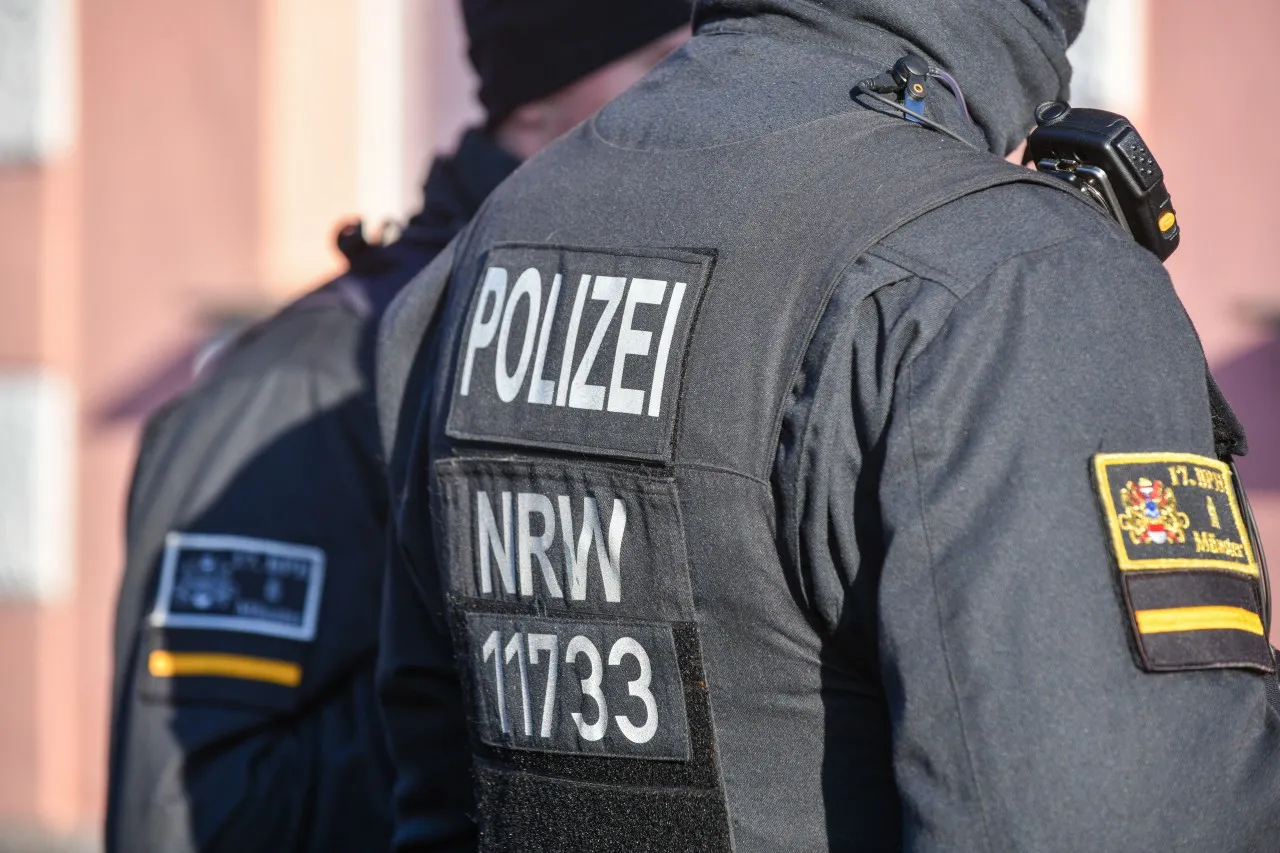
Germany raids 170 homes over online ‘hate speech’ in nationwide crackdown
Berlin — German police launched a sweeping nationwide operation on Tuesday, raiding the homes of 170 individuals accused of spreading hate speech and insulting public officials online. The crackdown is part of a broader campaign to combat rising levels of digital incitement and political defamation.
The raids, coordinated by the Federal Criminal Police Office (BKA), spanned multiple federal states, including 14 operations in North Rhine-Westphalia alone. Authorities say the individuals targeted are under investigation for various offenses, including threats, incitement to hatred, and defamation of elected officials on social media and other digital platforms.
“Digital arsonists must not be able to hide behind their cell phones or computers,” said North Rhine-Westphalia Interior Minister Herbert Reul. “We are determined to make sure that those who stir up hatred online face real consequences.”
The number of reported hate-related online postings in Germany rose sharply in 2024, with 10,732 cases officially registered—a 34% increase from the previous year, according to official figures. Much of the monitoring stems from the work of the Central Reporting Office for Criminal Content on the Internet, a specialized agency tasked with flagging potentially criminal online activity.
Free Speech Concerns Rising
While authorities defend the operation as a necessary step to uphold democratic discourse and protect public officials from abuse, the crackdown has sparked debate over freedom of expression in Germany. Recent public opinion surveys suggest a growing number of citizens feel increasingly hesitant to express their views openly, particularly on politically sensitive topics.
Critics argue that the definition of “hate speech” has become overly broad and potentially politicized, raising concerns about censorship and state overreach. Civil liberties groups have warned that aggressive enforcement risks chilling legitimate public debate.
The German government maintains that its actions are in line with national law and the country’s obligation to prevent online radicalization and political intimidation.
As digital platforms continue to shape political discourse, Germany—one of Europe’s strictest regulators of online speech—appears poised to expand its monitoring and enforcement efforts even further.