
Indonesia plunged into unrest as protests escalate nationwide
Jakarta— Indonesia, a nation of nearly 300 million people, is facing its most severe wave of unrest in years as protests spread across major cities and provincial capitals. What began as anger over rising living costs and controversial parliamentary perks has spiraled into violent clashes, arson attacks, and widespread destruction of government property.

Fatal fires and attacks on officials
In the city of Makassar, South Sulawesi, demonstrators stormed the regional parliament building late Friday, setting it ablaze. At least three people were killed and several others injured when parts of the structure collapsed and others were forced to leap from windows to escape.
Elsewhere, mobs targeted the residences of senior officials, smashing windows and torching vehicles. In West Java and Central Java, regional assembly buildings were looted and burned. Similar scenes were reported in Bali and North Sumatra, where government offices were attacked.
Clashes with police
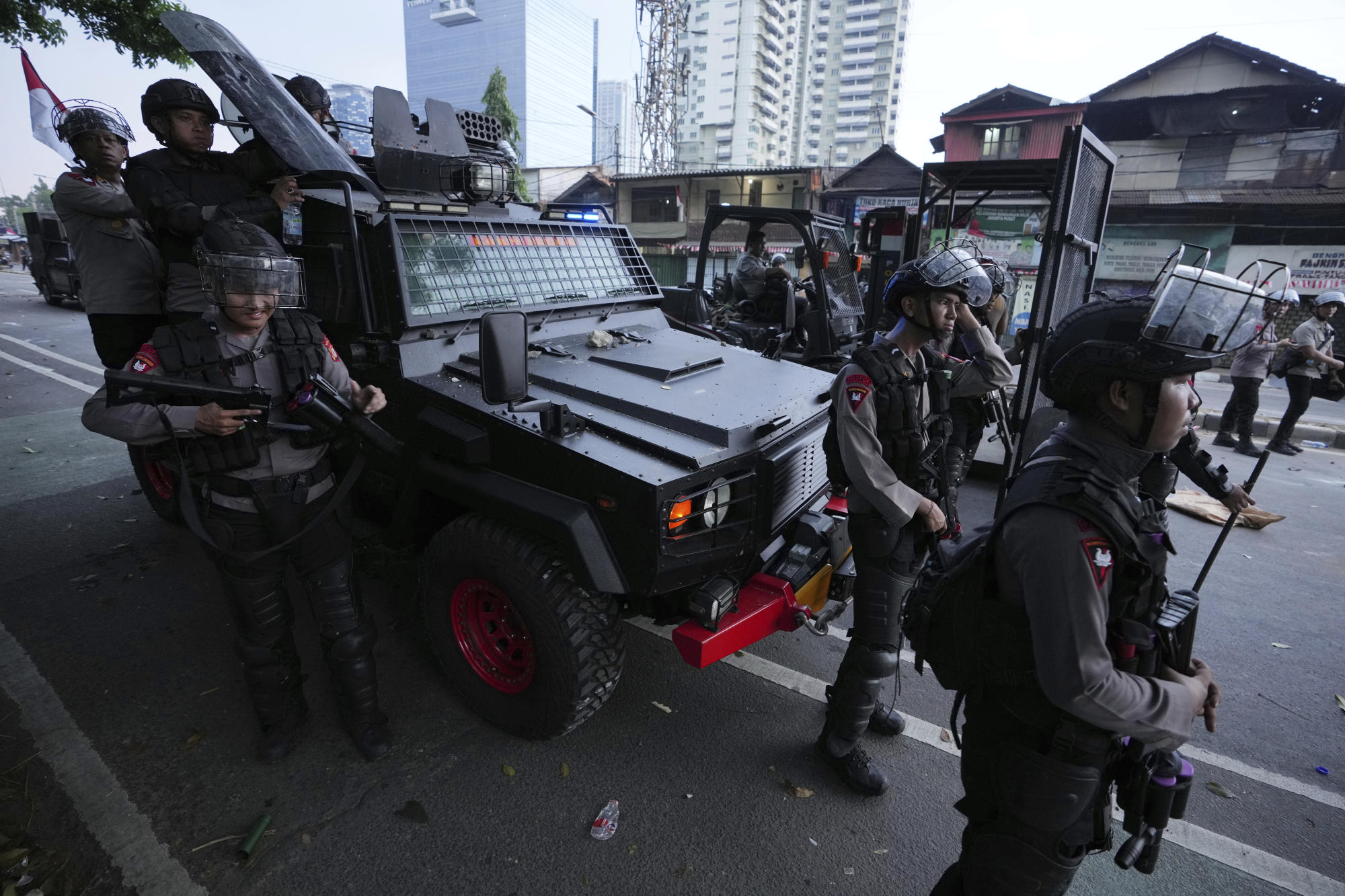
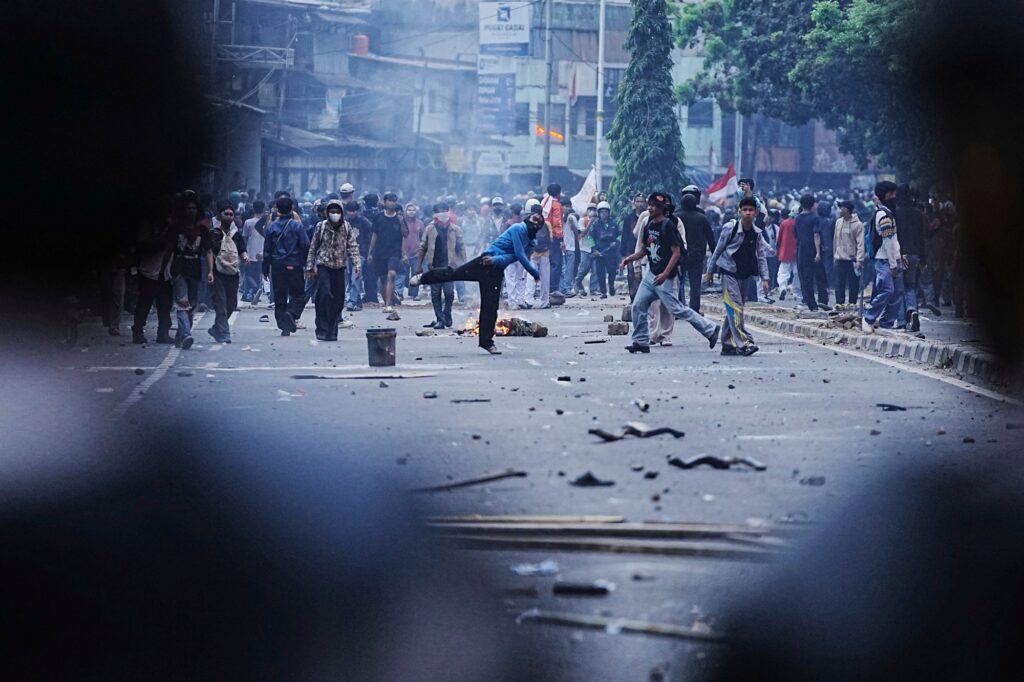
Authorities deployed riot squads, water cannons, and tear gas in an attempt to disperse crowds. Protesters responded with firecrackers, stones, and improvised firebombs. In Jakarta alone, nearly a thousand people were detained overnight, while dozens of officers were reported injured in street battles.
The protests intensified after the death of a young ride-hailing driver, struck and killed by a police vehicle during a demonstration earlier in the week. His death has become a rallying point for growing public anger at what many see as heavy-handed policing and political indifference to economic hardship.
Calls for calm amid economic fallout
President Prabowo Subianto expressed condolences to the victim’s family and urged citizens to remain calm while investigations proceed. Several police officers are under questioning, but protesters have dismissed these measures as inadequate.
The turmoil is already rattling financial markets. Indonesia’s main stock index dropped sharply on Friday, and the rupiah weakened against the dollar, fueling fears of wider economic instability.
Widespread discontent
The protests reflect deep frustrations over inequality, high unemployment, and unpopular government spending. Demonstrators accuse lawmakers of enriching themselves with large allowances while ordinary families struggle with rising food and fuel prices.
For now, there are no signs the unrest is easing. Demonstrations continue in Jakarta, Bandung, Surabaya, Yogyakarta, Medan, and Bali, with fires still burning at several government facilities. The scale of the protests and the violence suggest the crisis may escalate further unless authorities find a way to restore trust and address public grievances.