
The UK’s hard line on illegal migration:…
The UK’s hard line on illegal migration: Secure borders, stricter employment rules, and the harsh reality of life without legal status
The United Kingdom has intensified its approach to illegal migration, introducing tougher enforcement measures, stricter employment rules, and sweeping asylum reforms aimed at regaining control over its borders. The latest data and policy direction signal one of the most robust crackdowns in recent years, with significant implications for individuals, businesses, and the wider immigration system.
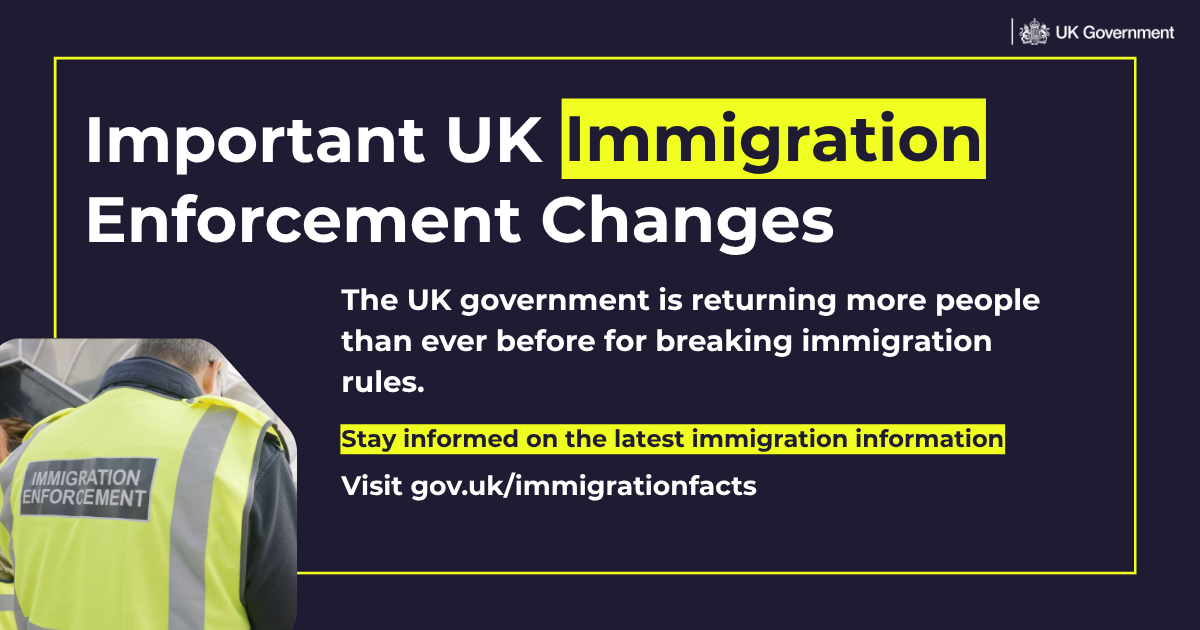
Record Enforcement and Rising Returns
Government figures indicate a sharp rise in enforcement activity since mid-2024. Nearly 60,000 individuals with no legal right to remain in the UK have been returned since July 2024 — a 31% increase compared to the same period the previous year. Officials suggest that upcoming legal changes will further accelerate removals by reducing administrative delays and legal barriers.
Cooperation with France has also intensified, particularly in response to small boat crossings in the English Channel. A new bilateral agreement has introduced stricter deterrence measures, with over 40,000 attempted crossings reportedly prevented. Under the new framework, individuals arriving illegally by small boat face immediate detention and potential return to France.
The Reality of Living Without Legal Status
Experts highlight the severe consequences faced by those living in the UK without legal immigration status. Ahmet Ozturk of London Metropolitan University explains that undocumented migrants encounter significant barriers in nearly every aspect of daily life.

They are prohibited from working legally, excluded from welfare benefits, and often unable to secure stable housing. Many face high living costs without reliable income, alongside social isolation stemming from separation from family, language, and community. Heightened enforcement has also contributed to a persistent fear of detection and removal.
Crackdown on Illegal Employment
Enforcement against illegal working has reached unprecedented levels. In 2025 alone, authorities recorded over 9,000 arrests linked to illegal employment and conducted more than 12,700 enforcement visits nationwide.
Working without legal permission — whether through visa overstays, breaches of visa conditions, or unlawful entry — is classified as a criminal offence. The government has also placed increased responsibility on employers to carry out strict right-to-work checks.
Penalties for non-compliance have risen sharply. Businesses found employing undocumented workers now face fines of up to £60,000 per worker, alongside the risk of closure and reputational damage.
Asylum System Reforms
The government has outlined plans to overhaul the asylum system, describing the changes as among the most comprehensive in modern times. Proposed reforms include limiting the duration of refugee status, with periodic reviews to determine whether protection should continue based on conditions in the individual’s home country.
Accommodation policies are also shifting. The government aims to phase out the use of asylum hotels, replacing them with more basic housing options, including repurposed former military sites.
Expanding Legal Routes
Alongside enforcement, officials emphasize the importance of expanding safe and legal pathways into the UK. A new scheme allowing displaced students to apply for study opportunities is expected to open in autumn, with additional routes for skilled refugees and community sponsorship planned for the future.
Authorities stress that the UK’s visa system remains the primary legal pathway for those seeking to work or study in the country.
A System Under Pressure
The government maintains that these combined measures — stronger enforcement, tighter employment controls, and restructured asylum processes — are necessary to create a system that is “fair, firm, and sustainable.”
At the same time, the evolving policy landscape underscores the increasing risks for those attempting to enter or remain in the UK without authorization, as enforcement intensifies and legal consequences grow more severe