
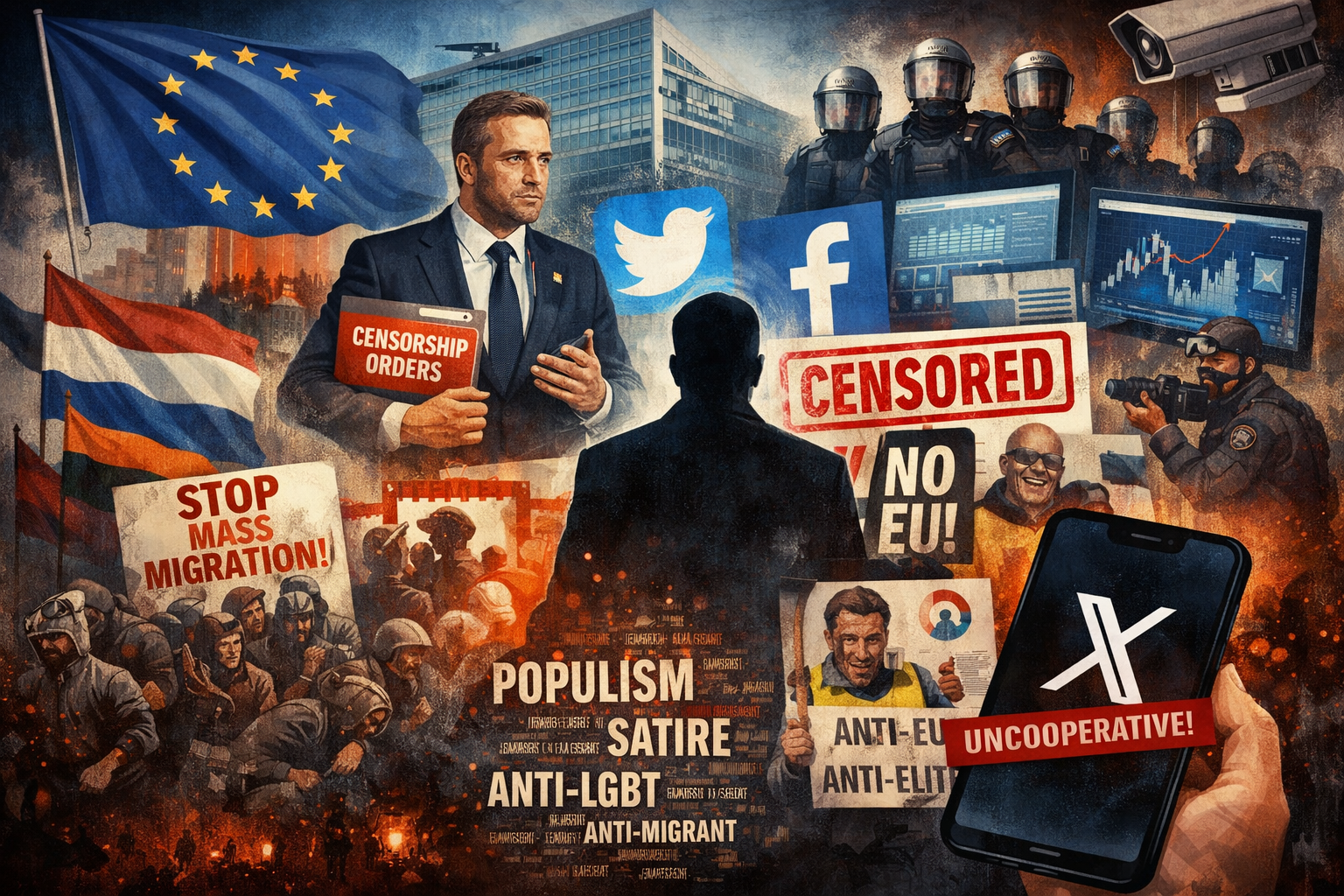
EU Pressured Social Media Platforms Ahead of European Elections
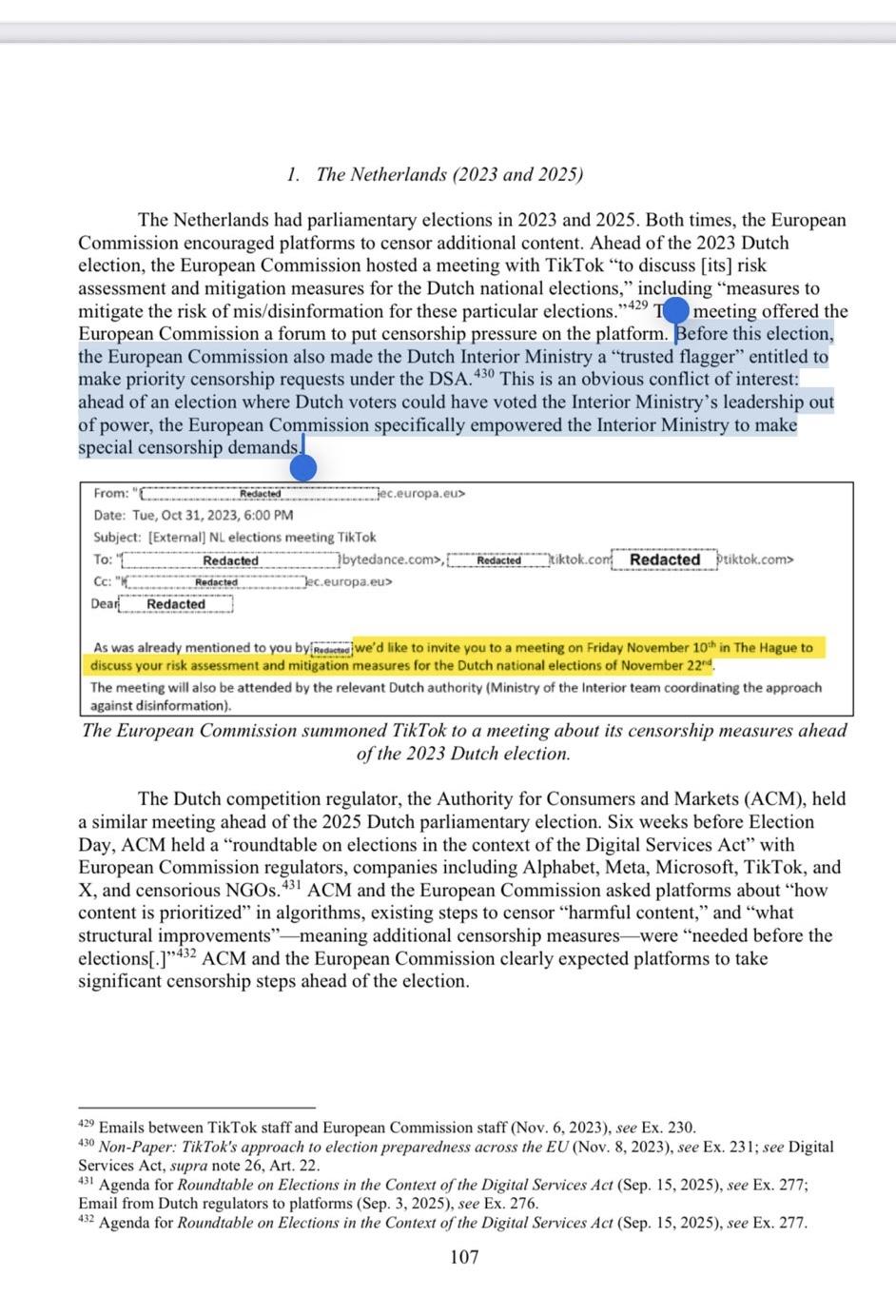
Brussels — Allegations are circulating online claiming that European Union institutions actively pressured major social media platforms to remove or limit certain types of political content ahead of several European elections, including the Dutch general elections in 2023 and 2025.
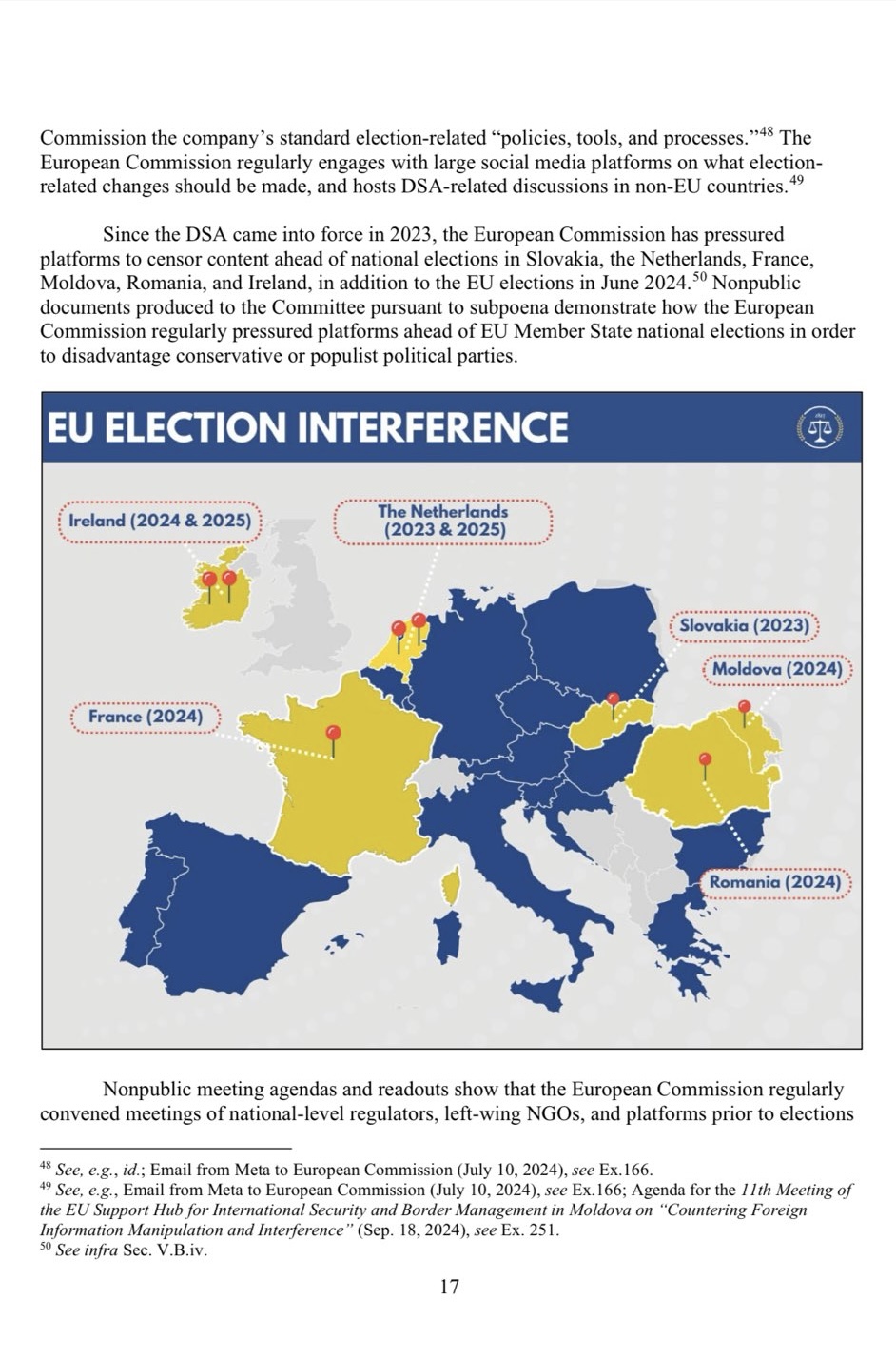
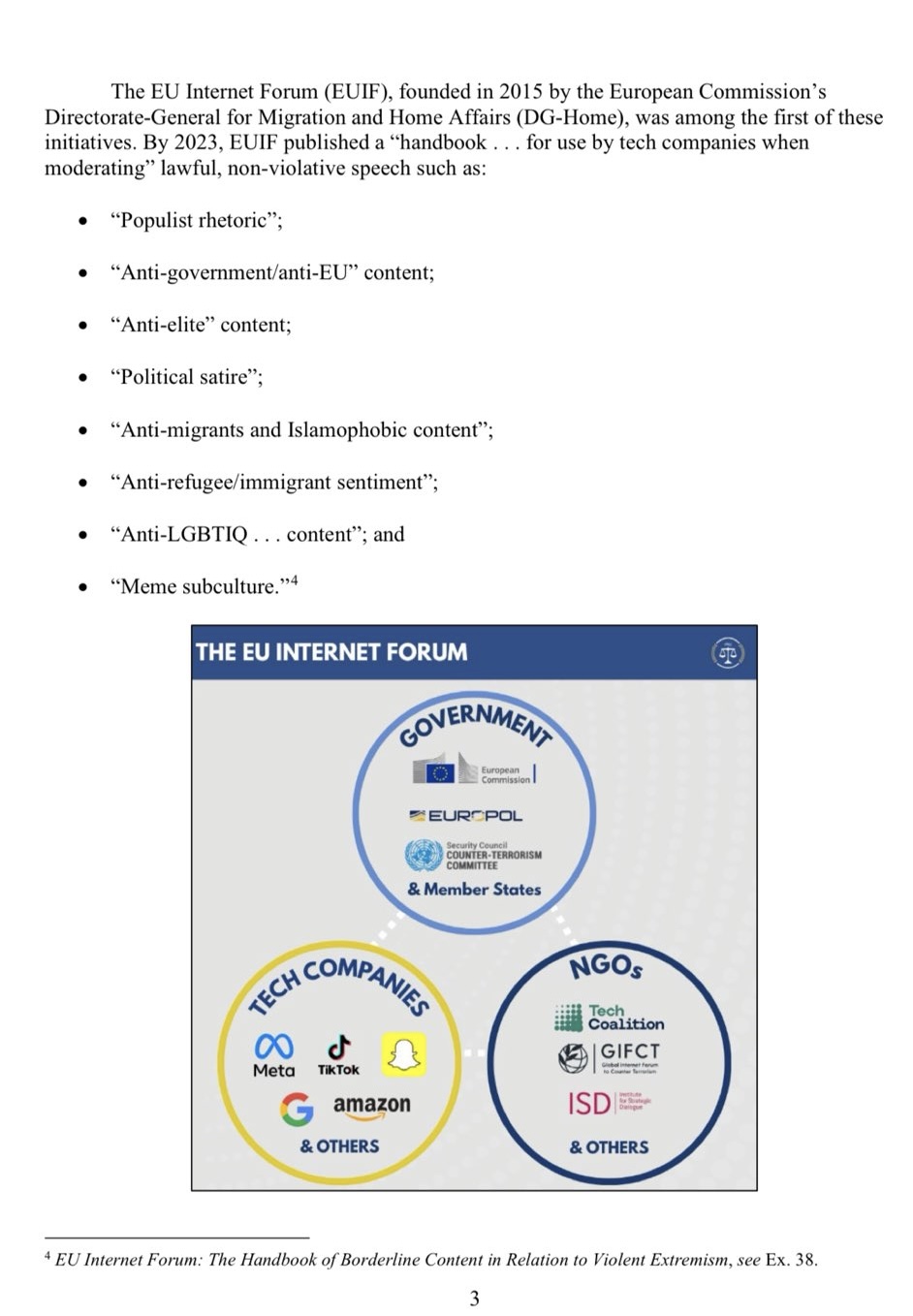
According to the claims, EU officials held meetings with social media companies in the days leading up to national votes, urging them to take action against categories of content described as “populist rhetoric,” “anti-government” or “anti-EU” messaging, “anti-elite” narratives, political satire, anti-migrant and anti-refugee content, anti-LGBTQI speech, and material associated with online “meme subcultures.”
Critics argue that such measures amount to political censorship and disproportionately target right-wing or conservative viewpoints. They also point to the designation of the Dutch Interior Ministry as a “trusted flagger” under the EU’s Digital Services Act (DSA) framework, which allows certain entities to submit priority notices about allegedly illegal content to online platforms. The status was reportedly granted during the tenure of then–Interior Minister Hugo de Jonge.
Under the DSA, which came into force in 2023, “trusted flaggers” are organizations or public bodies recognized for their expertise in identifying illegal content. Platforms are required to process notices from these entities with priority, though removal decisions must still comply with EU law and fundamental rights protections.
Supporters of the DSA say the regulation is intended to combat illegal content, disinformation, and online harms while safeguarding freedom of expression. They maintain that enforcement mechanisms focus on compliance with existing laws rather than suppressing lawful political speech.
The controversy also highlights ongoing tensions between EU regulators and the social media platform X. The European Commission has opened formal proceedings against X under the DSA, and the company faces potential fines as part of regulatory investigations. French authorities have separately conducted inquiries involving the platform’s operations, though officials have framed these actions as regulatory or legal enforcement rather than political retaliation.
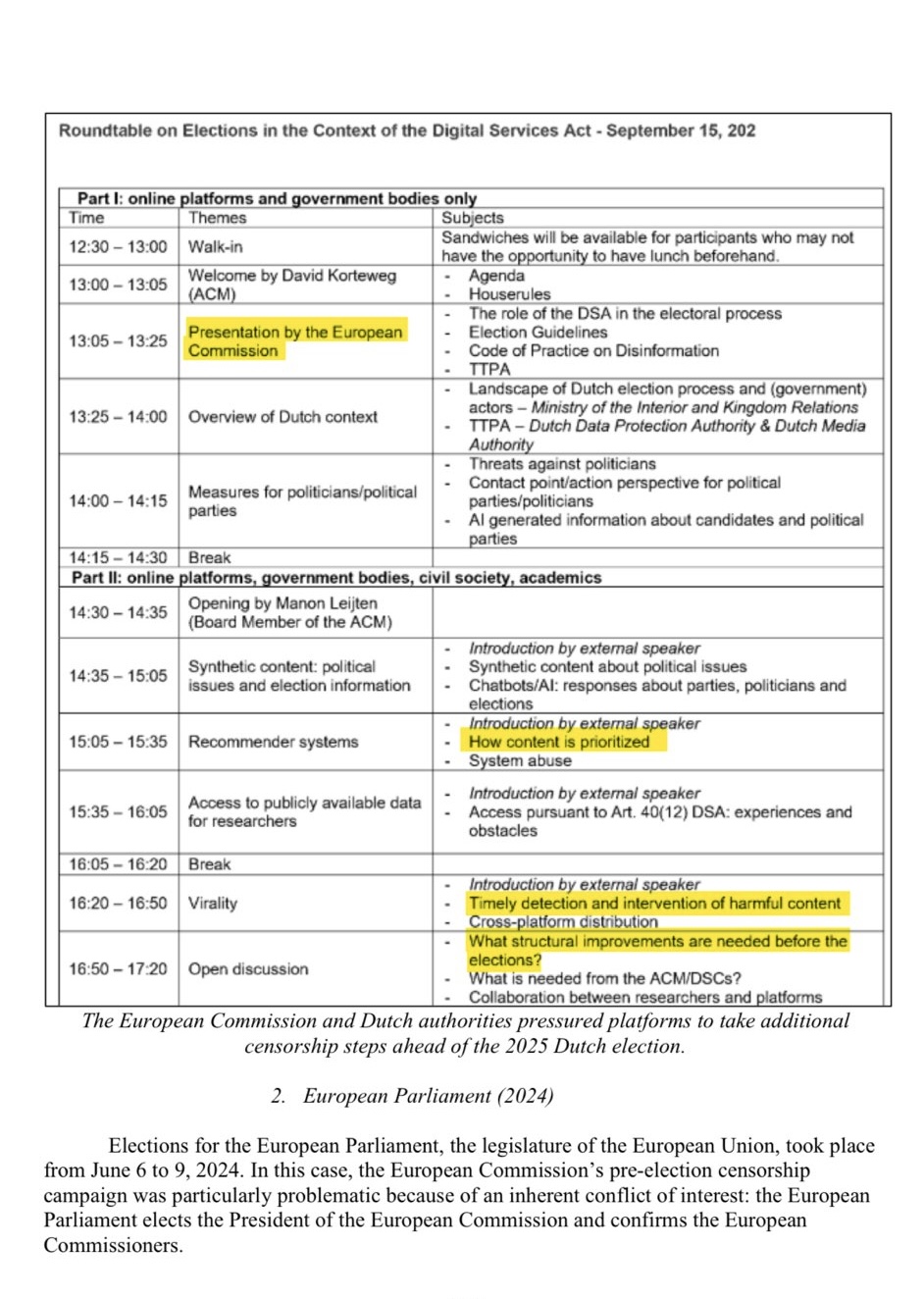
EU officials have previously stated that election-related coordination with platforms is aimed at countering foreign interference, disinformation campaigns, and illegal content, particularly during sensitive democratic processes.
As of now, there is no publicly available evidence confirming that the EU ordered the removal of lawful political speech based solely on ideological grounds. The European Commission has consistently said that enforcement actions under the DSA must respect fundamental rights, including freedom of expression.
The debate over content moderation, political speech, and the role of governments in regulating online platforms continues to intensify across Europe, especially in the run-up to national and European elections.