
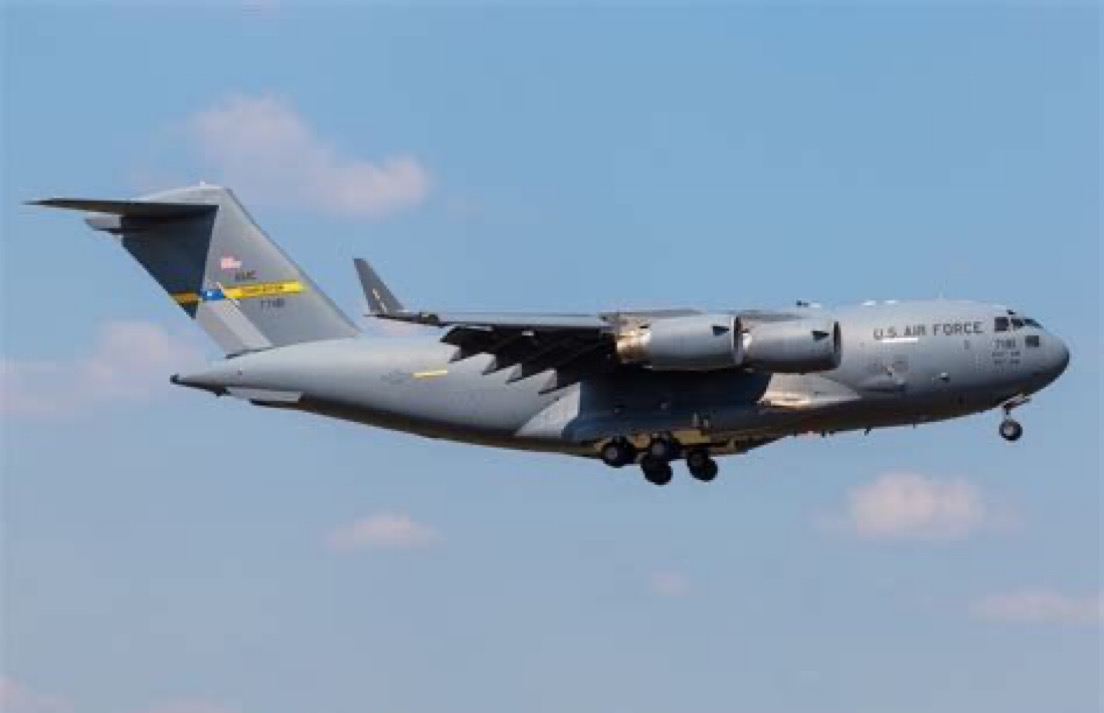
U.S. Military C-17 Lands in Moscow, Fueling Speculation Over High-Level Contact
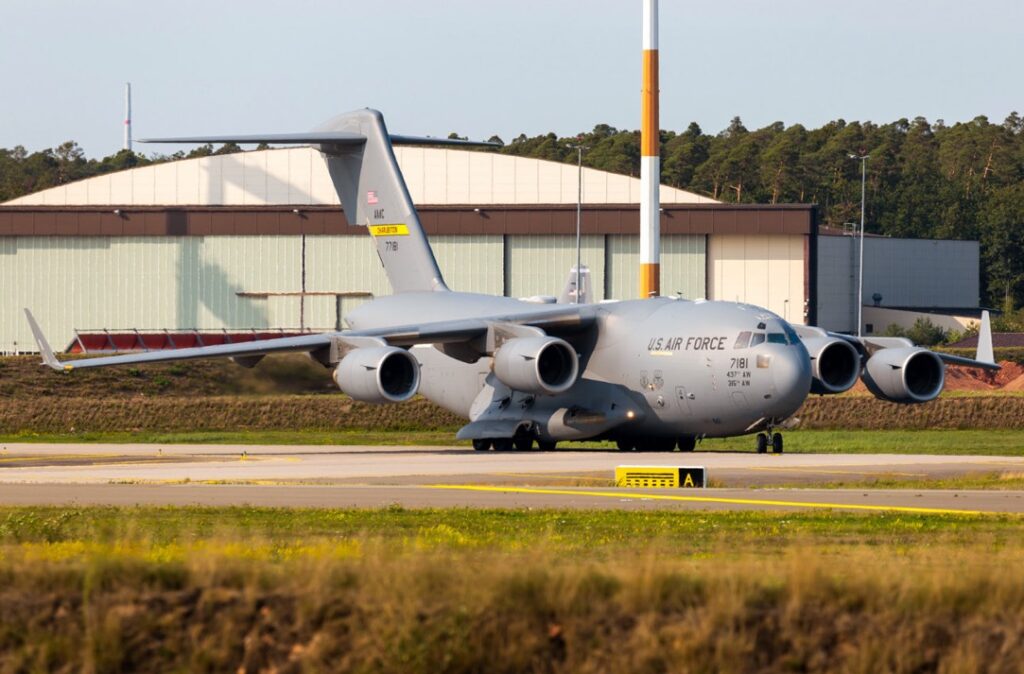
A U.S. Air Force C-17A Globemaster III has landed in Moscow after flying directly from Riga, Latvia, in an unusual movement that is fueling speculation about possible high-level U.S.-Russian contacts.
Flight-tracking data shows the aircraft, identified by tail number 07-7181, departed Riga and landed at Moscow’s Vnukovo Airport at around 10 a.m. Moscow time on August 25.
The same aircraft had arrived in Riga on August 23 after departing from the Camp Springs area near Washington, D.C., home to Joint Base Andrews, a major U.S. military and presidential air facility.
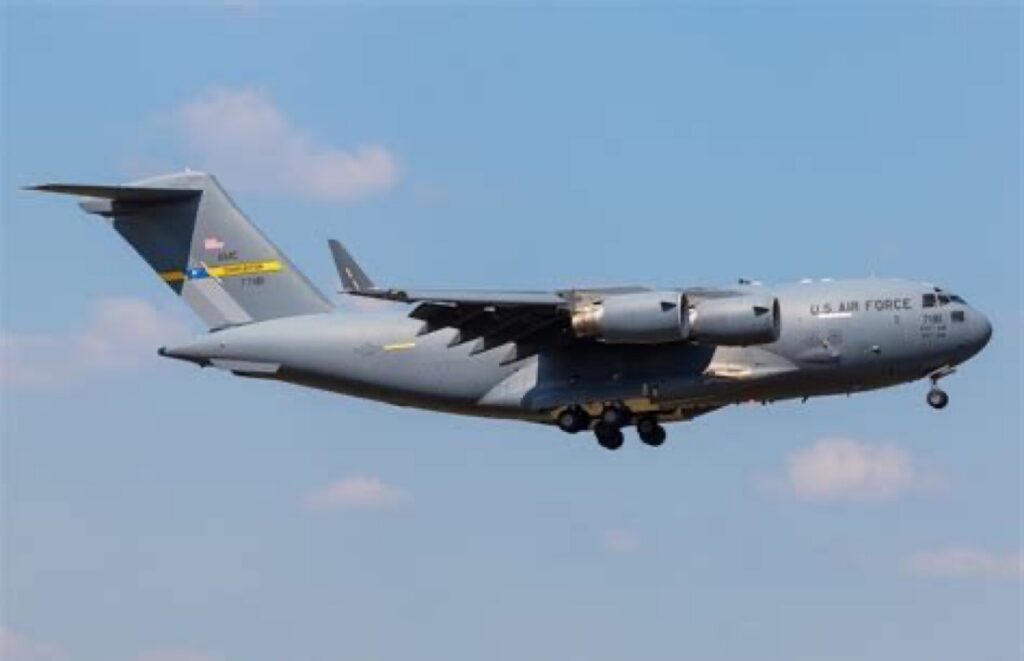
The unusual itinerary — Washington area to Riga, followed two days later by Riga to Moscow — has attracted particular attention because direct U.S. military flights into Russia are extremely rare amid the continuing tensions between Washington and Moscow.
No official explanation
Neither Washington nor Moscow has so far publicly explained the purpose of the flight or disclosed who, if anyone, was aboard the aircraft.
The C-17 is primarily a strategic military transport aircraft capable of carrying personnel, vehicles, equipment and other cargo over long distances. Its use does not, by itself, indicate that a senior official was aboard.
Nevertheless, the aircraft’s origin and itinerary have prompted speculation that the flight could be connected to sensitive diplomatic or security discussions.
One possibility is that the aircraft was supporting a high-level U.S. delegation or intelligence-related mission. Another is that it was carrying equipment or personnel connected to diplomatic negotiations, security arrangements or a potential prisoner exchange.
Could it be connected to Trump?
The most politically significant speculation is that the flight could be related to preparations for a possible visit to Moscow by President Donald Trump.
Such a visit would represent a dramatic development in U.S.-Russian relations and could potentially signal a new phase in efforts to resolve the war in Ukraine.
However, there is currently no confirmed evidence that Trump is preparing to travel to Moscow. A military transport flight alone is insufficient to establish that a presidential visit is imminent.
If the aircraft were being used to prepare the ground for a presidential visit, it could theoretically transport communications equipment, vehicles, security personnel or other logistical support ahead of the president’s arrival.
There are also much less dramatic explanations. Military aircraft routinely transport personnel and equipment for missions that are not publicly disclosed, particularly when diplomatic or intelligence activities are involved.
Why the Riga stop matters
The aircraft’s stop in Riga is another intriguing element.
According to flight-tracking information, 07-7181 arrived in Latvia from the Washington area on August 23 before continuing to Moscow two days later. Riga is a NATO member’s capital and an important regional hub for U.S. and allied military activity.
The stop could have been purely logistical, including refueling, crew changes or the movement of personnel and equipment. But it could also have been part of a carefully arranged diplomatic or security operation.
At this stage, there is no public evidence establishing which explanation is correct.
A potentially significant signal
Whatever the purpose of the flight, the arrival of an American military transport aircraft in Moscow is notable.
If it is subsequently confirmed that a senior U.S. official was aboard, or that the aircraft was connected to direct negotiations with the Kremlin, the flight could prove to be an important signal of renewed U.S.-Russian engagement.
For now, however, the most prudent conclusion is that something unusual occurred, but its political significance remains unclear.
A confirmation of a senior U.S. delegation, new diplomatic talks or preparations for a Trump visit would substantially change the picture.
If the flight is indeed connected to preparations for an emergency Trump visit to Moscow, it would represent a major development — and potentially a significant step toward renewed U.S.-Russian diplomacy.