


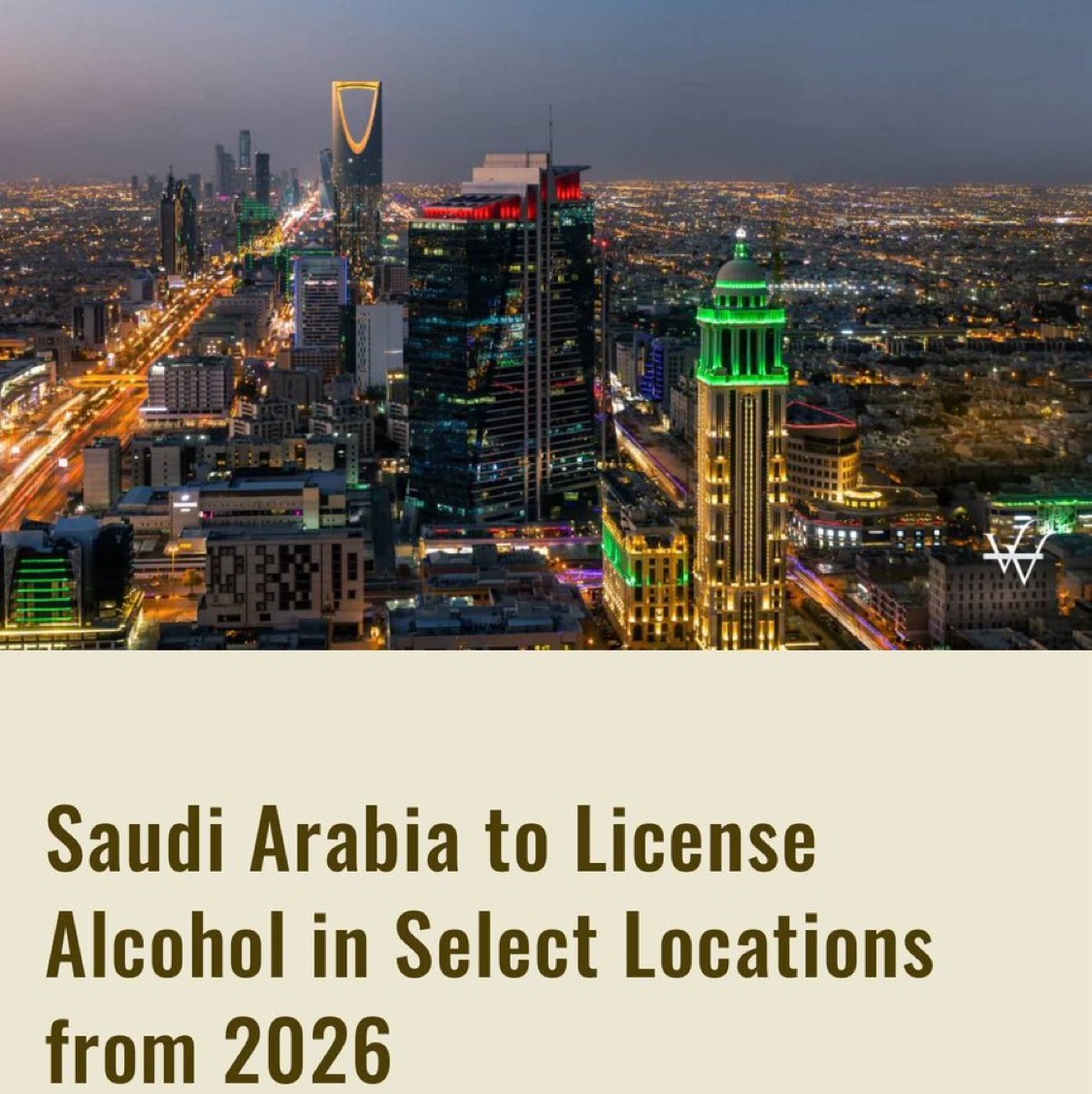
Saudi Arabia to permit sale and consumption of select alcoholic beverages
Saudi Arabia to Permit Sale and Consumption of Select Alcoholic Beverages in Designated Venues Starting 2026
Riyadh, Saudi Arabia – May 24, 2025
In a historic shift from decades of strict prohibition, Saudi Arabia will begin allowing the regulated sale and consumption of alcoholic beverages such as wine, beer, and cider starting in 2026, according to a report from Wine Intelligence. The policy change is part of the kingdom’s ongoing Vision 2030 initiative, aimed at modernizing its economy and boosting international tourism.
The new regulations will permit alcohol sales in approximately 600 licensed venues across the country. These include five-star hotels, luxury resorts, embassies, licensed distributors, and key tourist destinations such as Neom, Sindala Island, and the Red Sea resorts. Residential compounds for expatriates and venues hosting major global events like Expo 2030 and the 2034 FIFA World Cup will also be allowed to serve alcohol.
However, the policy maintains strict limitations. Alcoholic beverages with an alcohol content above 20%—such as spirits and liquors—will remain banned. Public consumption, home use, retail sales in stores, and private production of alcohol will continue to be prohibited.
The move marks a major cultural and legal shift in the conservative Islamic kingdom, where alcohol has been strictly forbidden since the country’s founding. It reflects Crown Prince Mohammed bin Salman’s broader efforts to diversify the economy, reduce dependence on oil, and attract international investment and tourism.
Analysts note that the change could significantly boost Saudi Arabia’s appeal to Western tourists and global businesses, especially as the country prepares to host a series of high-profile international events over the next decade.
Despite the loosening of restrictions, the government has emphasized that enforcement of the remaining alcohol laws will be strict, with clear boundaries on where and how alcohol can be consumed.
Further details on licensing procedures and specific regulatory frameworks are expected to be released in the coming months.