
Conflicting Reports on Liverpool Parade Crash Raise Concerns Over Media Accuracy
Conflicting Reports on Liverpool Parade Crash Raise Concerns Over Media Accuracy
May 26, 2025
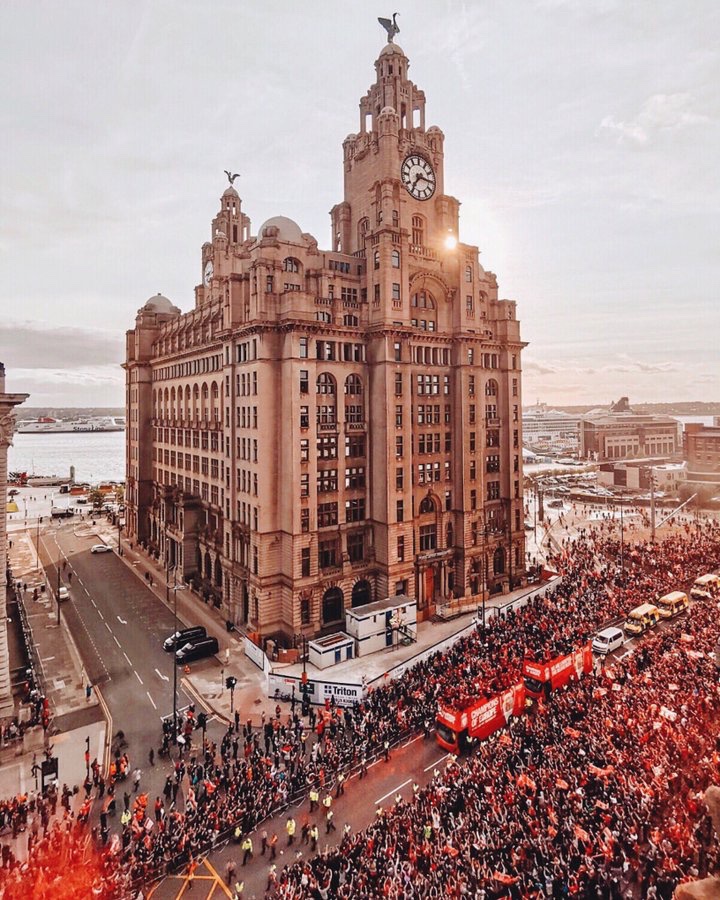
Confusion has emerged in the aftermath of a tragic incident during Liverpool Football Club’s victory parade, where a car rammed into a crowd of celebrating fans, injuring numerous people — including children. However, the exact number of casualties remains uncertain, as two major UK news outlets report conflicting figures.
According to the BBC, “Twenty-seven people were taken to hospital, and two suffered serious injuries — including one child,” citing information from the North West Ambulance Service. In contrast, the Daily Mail reports a significantly higher toll: “47 people hurt including four children: Youngster is among two seriously injured.”
This discrepancy has prompted confusion among the public, raising questions about the accuracy of real-time reporting in high-stakes incidents — and the responsibilities of news organizations to provide clear, verified information during crises.
Differing Numbers, Shared Tragedy
While both outlets agree on certain key facts — such as the presence of children among the injured and that two individuals, including a child, suffered serious injuries — the gap of 20 people between the BBC’s 27 and the Daily Mail’s 47 reported hospitalizations is substantial.
A possible explanation could lie in differing sources of information or timing. The BBC attributes its figures directly to the North West Ambulance Service, which may have been issuing early official numbers. The Daily Mail, known for more sensationalist headlines, may have sourced information from on-the-ground eyewitnesses, police estimates, or hospital staff — potentially leading to an inflated figure.
It’s not unusual for casualty numbers to change as more information becomes available, especially in chaotic situations involving emergency services, public events, and large crowds. However, such inconsistencies — especially when they concern vulnerable victims like children — can sow confusion and mistrust among the public.
The Dangers of Misinformation
In high-profile incidents, accurate reporting is critical — not just for accountability, but also for public safety and emotional wellbeing. When figures conflict, they can fuel speculation and panic, particularly on social media platforms where misleading posts can go viral quickly.
The discrepancy in this case also highlights broader challenges faced by news outlets in the digital era: the pressure to publish fast, the risk of relying on unverified sources, and the difficulty in correcting misinformation once it spreads.
What Happens Next?
As investigations continue, official numbers from Merseyside Police and NHS Trusts are expected to clarify the extent of injuries and provide a more accurate picture. Until then, the media is urged to coordinate more closely with emergency services and exercise caution in reporting developing stories.
For readers and the general public, this serves as a reminder to critically evaluate breaking news — especially when details vary between sources. Cross-checking with official statements and watching for updates from trusted agencies can help navigate the fog of conflicting reports.
The horror of the event is undisputed. A day meant for celebration turned to chaos, with dozens hurt and at least two seriously injured. As the community reels and calls for answers grow louder, clarity, compassion, and accountability will be crucial — from both investigators and the press.