


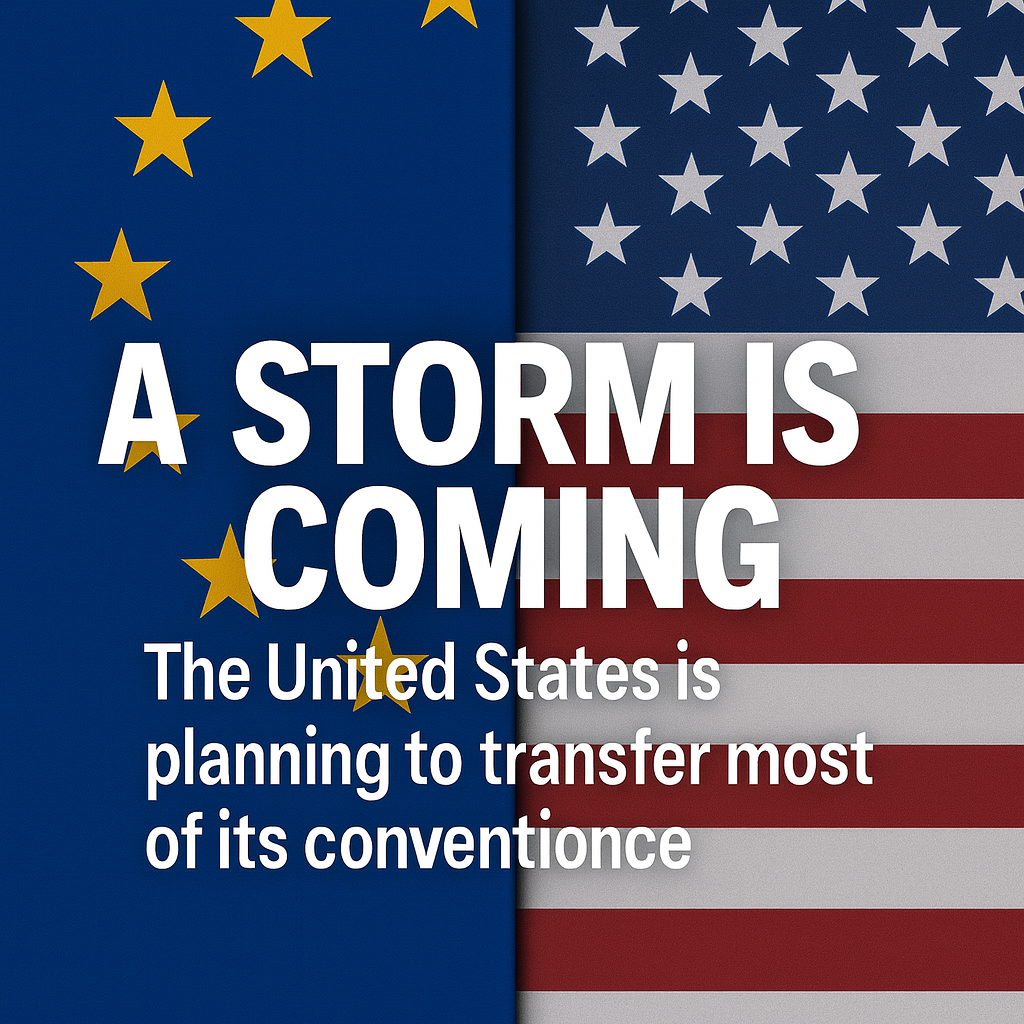
“A storm is coming”
The United States is reportedly preparing to set a 2027 deadline for European allies to assume responsibility for most of NATO’s conventional defense functions, according to recently circulated assessments. If Washington concludes that progress is insufficient, officials are said to be considering a partial pullback from certain U.S.-led planning structures within the alliance.
At the center of the debate is longstanding U.S. frustration over lagging European defense investment. American officials have repeatedly urged NATO members to expand their military capabilities, increase readiness, and move more rapidly toward meeting or exceeding the alliance’s defense-spending benchmarks.
The prospect of an accelerated U.S. shift has triggered varying degrees of concern across European capitals, where leaders fear both strategic uncertainty and heightened pressure to fill capability gaps. Yet analysts note that the emerging dynamic does not necessarily signal a rupture within the alliance.
Despite the tough rhetoric, experts point out that the United States will continue to rely heavily on European support as global competition—particularly with China—intensifies. Washington’s ability to project power and maintain its strategic edge, they argue, remains closely tied to cooperation with long-standing NATO partners.
For this reason, some observers believe the current tensions may ultimately lead to renewed transatlantic engagement. Over the next 18 to 24 months, they predict, the U.S. may seek deeper coordination with European allies, not less, as geopolitical pressures mount and shared interests reassert themselves.