


Final Communiqué of the Sudan International Contact Group Conference on Peace in Sudan
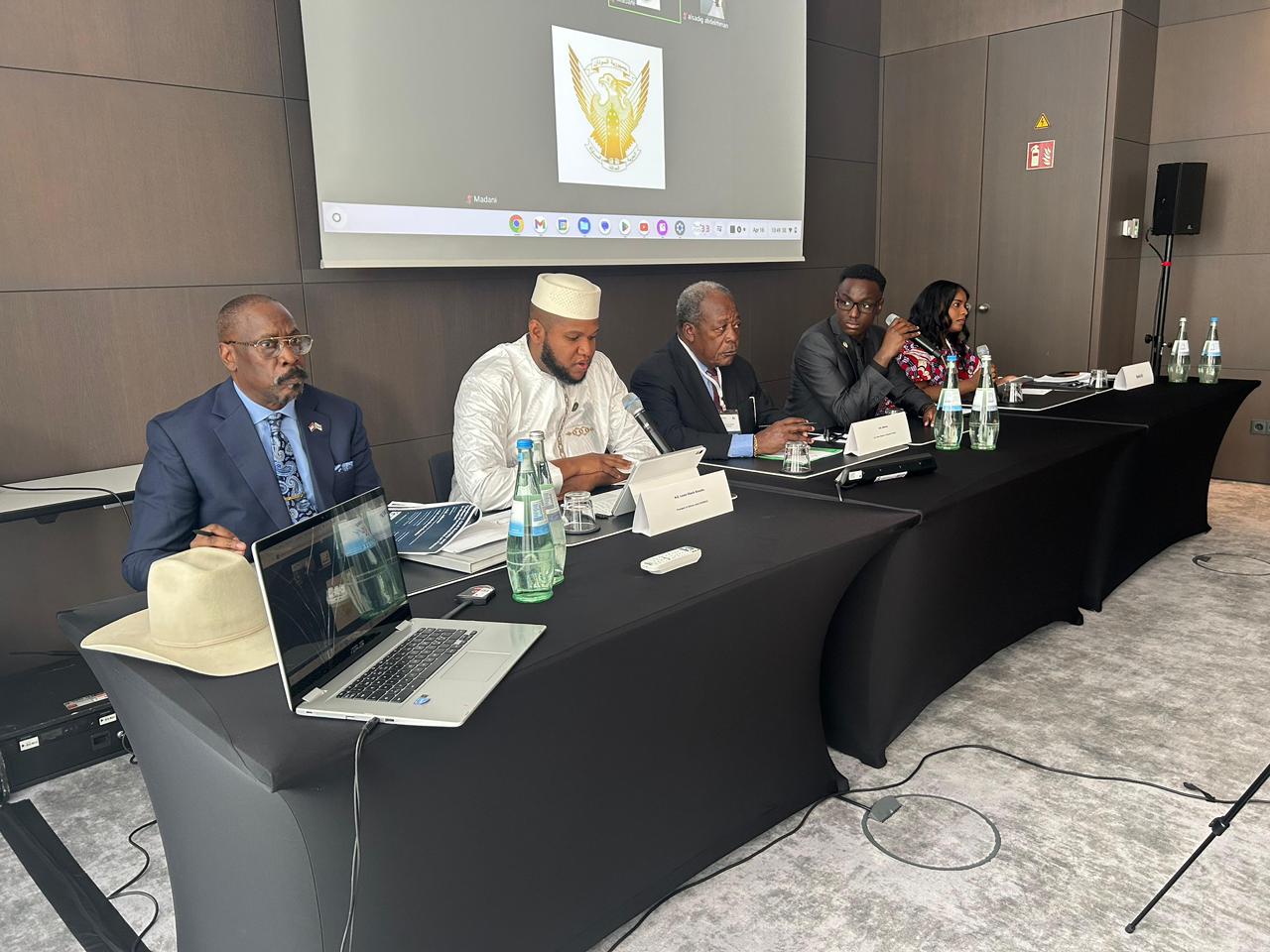
The Sudan International Contact Group convened a conference on peace in Sudan in Berlin, under the theme ” Sudan: New Vision for a Peaceful Solution and a Democratic Future .”
The conference brought together a significant number of research centers and think tanks specializing in conflict, peace, and dispute resolution, as well as Sudanese civilian figures, political actors, civil society organizations, and representatives of African countries and the African Union.
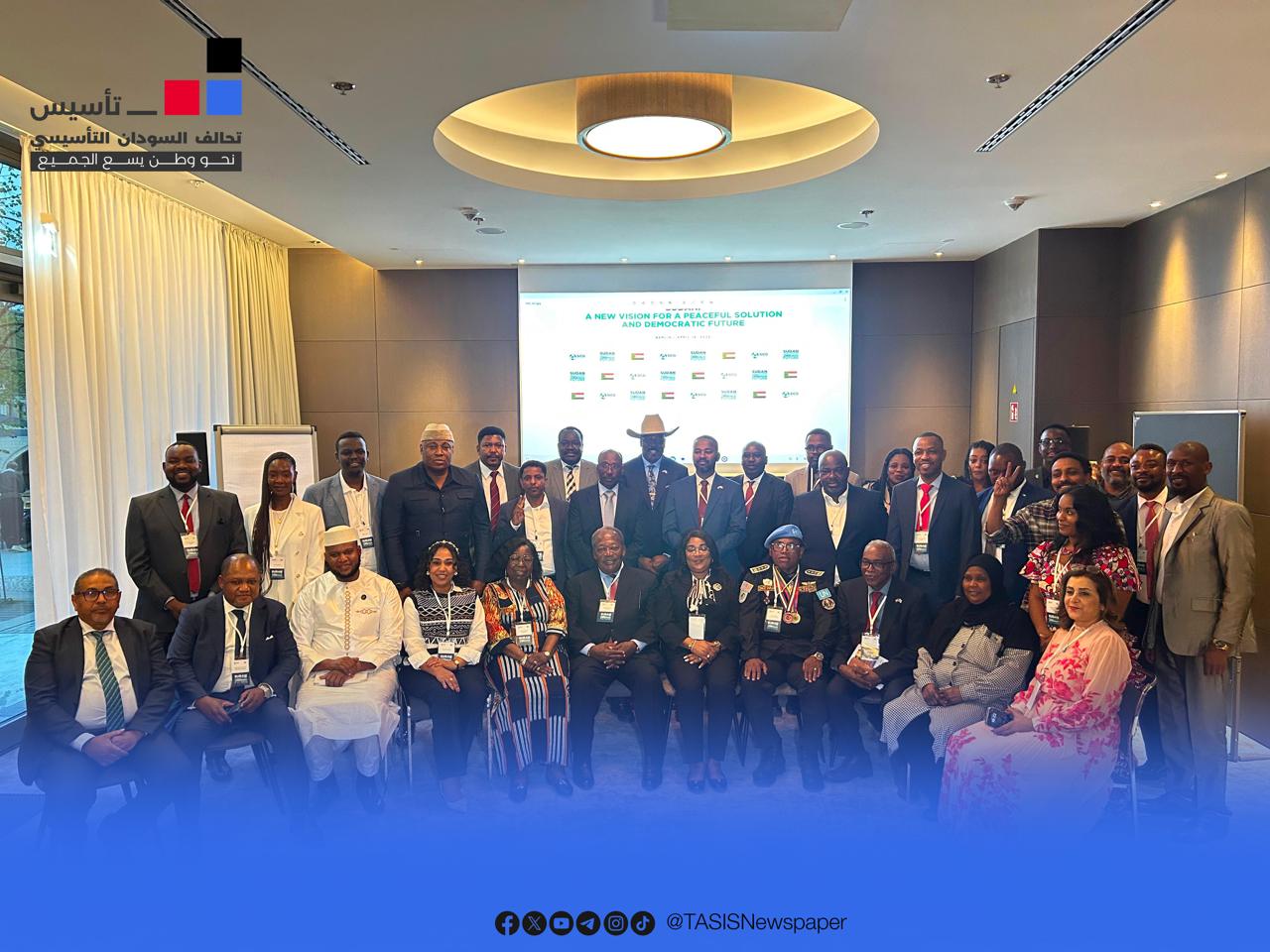
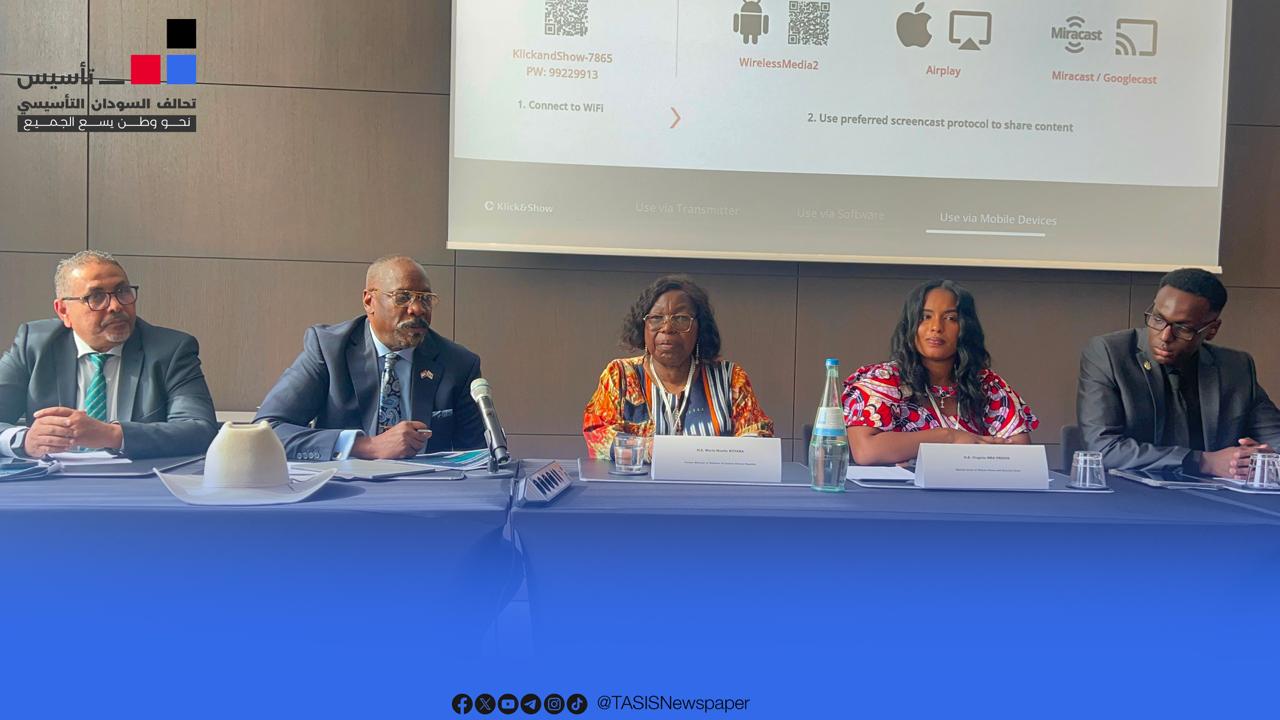
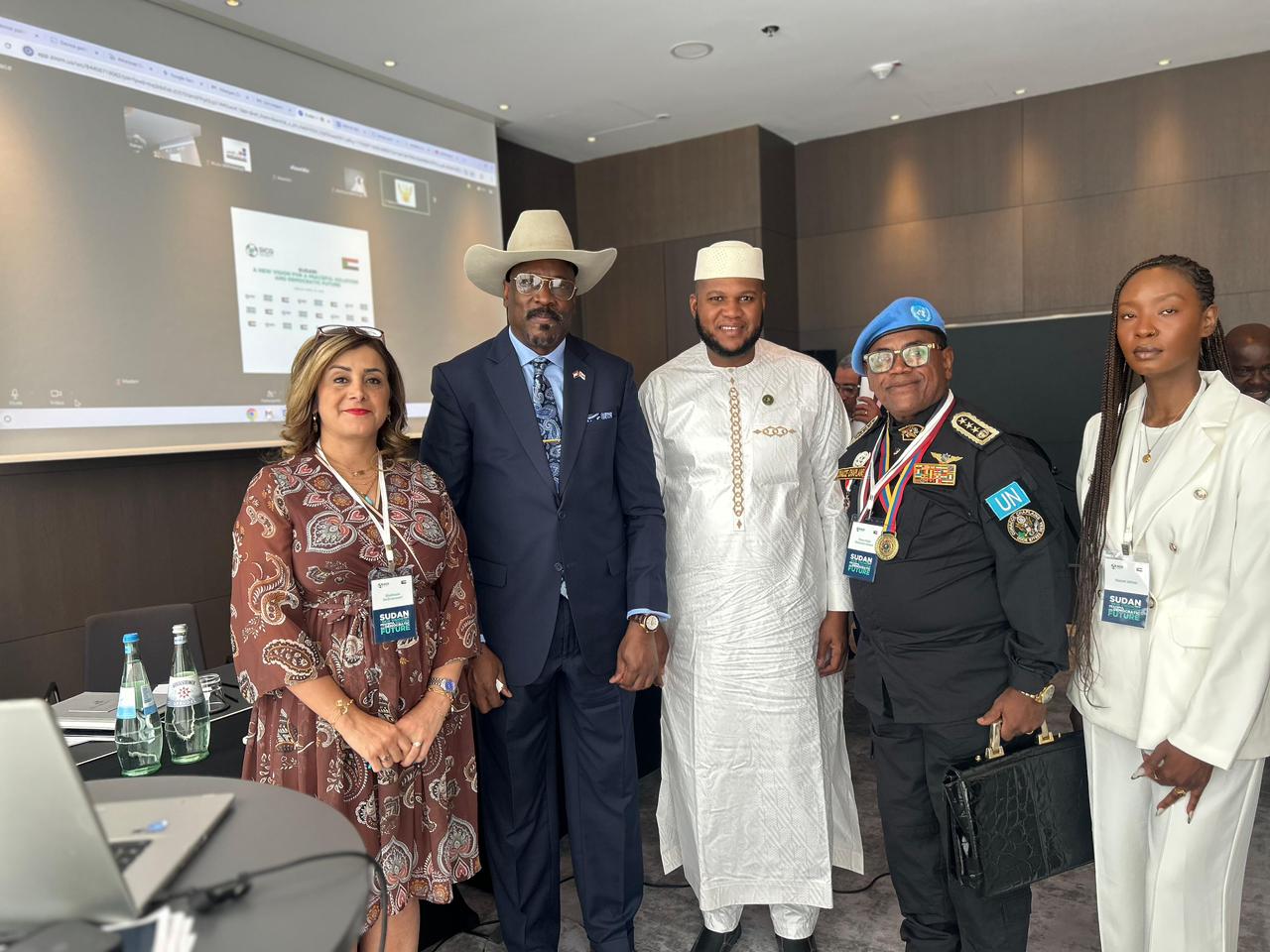
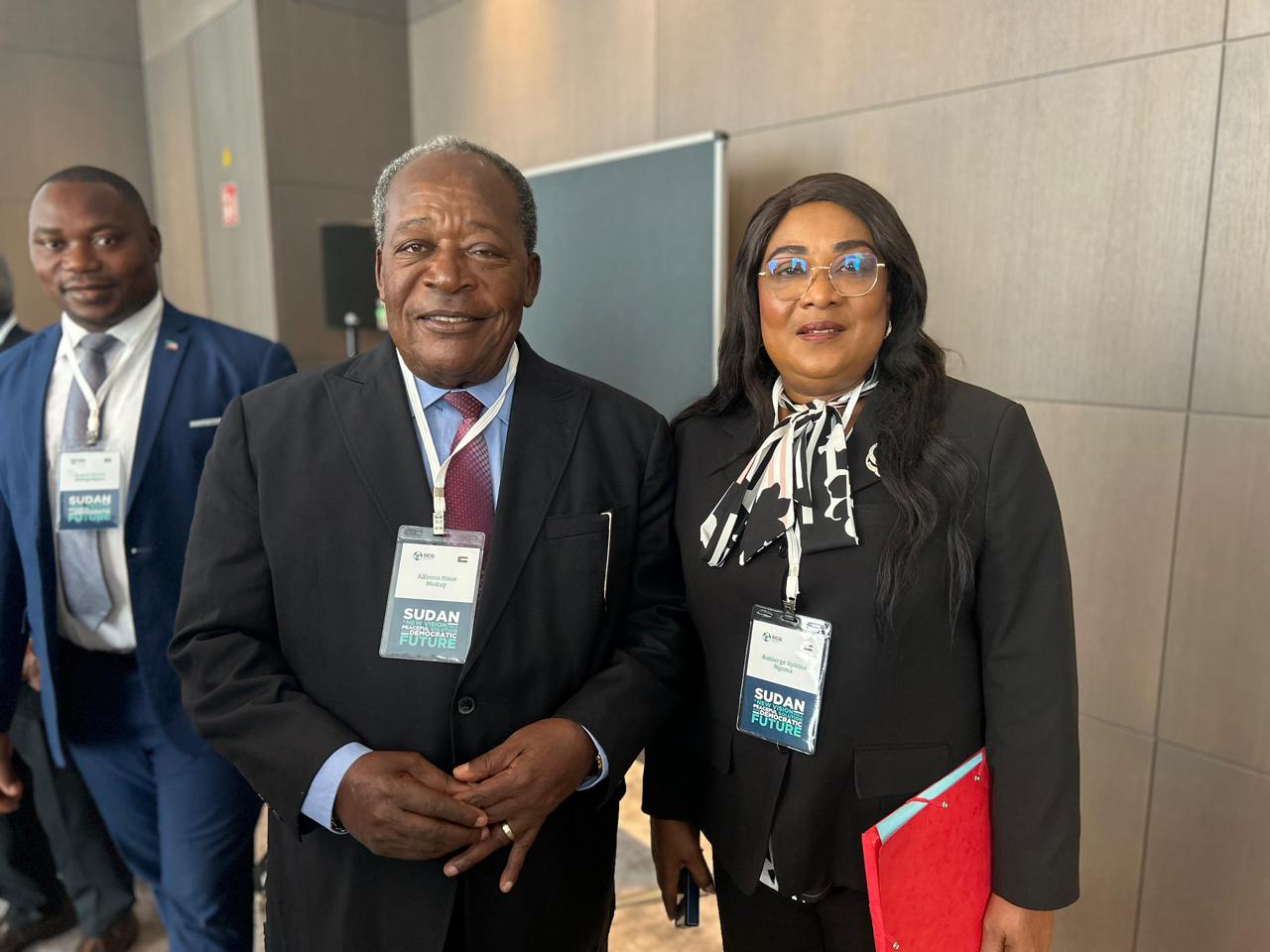
Among the prominent participants were H.E. Alfonso, Vice Prime Minister of Equatorial Guinea; H.E. Louis Cheick Sissoko, President of the Economic, Social and Cultural Council of the African Union (ECOSOCC) ; H.E. Michael Okyere Baafi, Member of Parliament and former Deputy Minister of Trade of Ghana; Professor Shabnam, Executive Director of the Eurasia Policy Research Center in London; Colonel Pierre Félix Nounouka Goumat, African Forces Commander and Coordinator at the CONACE Organization (Gabon); H.E. Marie Noëlle Koyara, former Minister of Defense of the Central African Republic; H.E. Virginia Mba Priego, Special Envoy of the African Peace and Security Union; H.E. Sylvine Aubierge Ngoma, former Minister of Education and civil Work of Gabon; Mr. Justin Barthelemi Tagouh, journalist and President of Afrique Media Network; Dr. Diran and Ms. Neville (from Kurdistan).

The conference underscored that the armed conflict in Sudan, now entering its fourth year, has resulted in the worst humanitarian crisis and unprecedented displacement, alongside grave violations of international humanitarian law and human rights, and the destruction of Sudan’s national infrastructure. Participants stressed the urgent need for decisive political action and concrete steps to end the conflict, create an enabling environment for humanitarian actors, and ensure the safe and unhindered delivery of aid to those in need through de-escalation and cessation of military operations.
The conference affirmed that the ongoing war in Sudan cannot be resolved through military or security means. Instead, a negotiated peaceful settlement among Sudanese parties—one that ends the war, achieves comprehensive, just, and sustainable peace, addresses the root causes of the conflict, and lays the foundation for a new democratic state—is the only viable path forward.
Participants emphasized the importance of ending the recurring cycles of violence and protracted conflicts in Sudan, noting that this requires addressing root causes, conducting a sound diagnosis of the deep and persistent political crisis, and reaching a comprehensive, just, and final historical settlement that ensures lasting peace and stability.
The conference highlighted that the statement of the QUAD Mechanism provides an appropriate entry point for launching an inclusive political process that addresses humanitarian and security concerns and paves the way for a negotiated political solution, enabling Sudanese stakeholders to reach consensus and transition toward peace, democracy, and civilian governance.
The conference expressed deep concern over the rise of hate speech, racial division, and severe societal polarization resulting from the ongoing war, raising serious questions about the ability of Sudanese parties to engage in meaningful intra-Sudanese dialogue. In this context, participants called for preserving Sudan’s unity—its land and people strengthening social cohesion, overcoming political differences through constructive dialogue, and promoting mutual recognition.
The conference welcomed sincere international diplomatic efforts aimed at mobilizing financial and in-kind support to alleviate the suffering of the Sudanese people and commended the role of international, regional, and local organizations operating under extremely difficult conditions to deliver humanitarian assistance.
Participants noted that the continuation of armed conflicts in Sudan contributes to increased polarization and regional and international alignments, particularly amid the ongoing conflict involving Iran and the complex global landscape, thereby posing additional threats to international peace and security. Ending the Sudanese crisis is therefore an urgent necessity.
The conference strongly condemned the systematic targeting of cities, villages, displacement camps, homes, hospitals, civilian infrastructure, and markets, which has resulted in the killing of women, children, the elderly, and the sick through drone attacks—constituting a flagrant violation of international humanitarian law. The conference called on all parties to the conflict to respect the rules of engagement and refrain from targeting civilians.