


Former Austrian FM Warns of Energy Risks as German Gas Storage Trails Seasonal Target
Former Austrian Foreign Minister Karin Kneissl has issued a stark warning about Europe’s energy outlook, arguing that relatively low natural gas storage levels and mounting pressure on the industrial sector could leave Germany and Austria vulnerable ahead of the winter heating season.
Speaking about the region’s energy situation, Kneissl said German gas storage facilities were around 50% full in early August, significantly below the levels typically sought before the heating season begins in October. She argued that only August and September remain to replenish inventories, raising concerns about supply security if colder weather or market disruptions emerge later in the year.
Kneissl also pointed to rising fuel costs as evidence of mounting pressure on European energy markets, saying diesel prices in Munich had reached about €2.50 per litre and that some filling stations had temporarily reported fuel shortages. She further cited constraints on global liquefied natural gas (LNG) supplies, including reduced export capacity from Qatar following earlier disruptions, while noting that political debate in the United States over LNG and diesel exports could further tighten global markets.
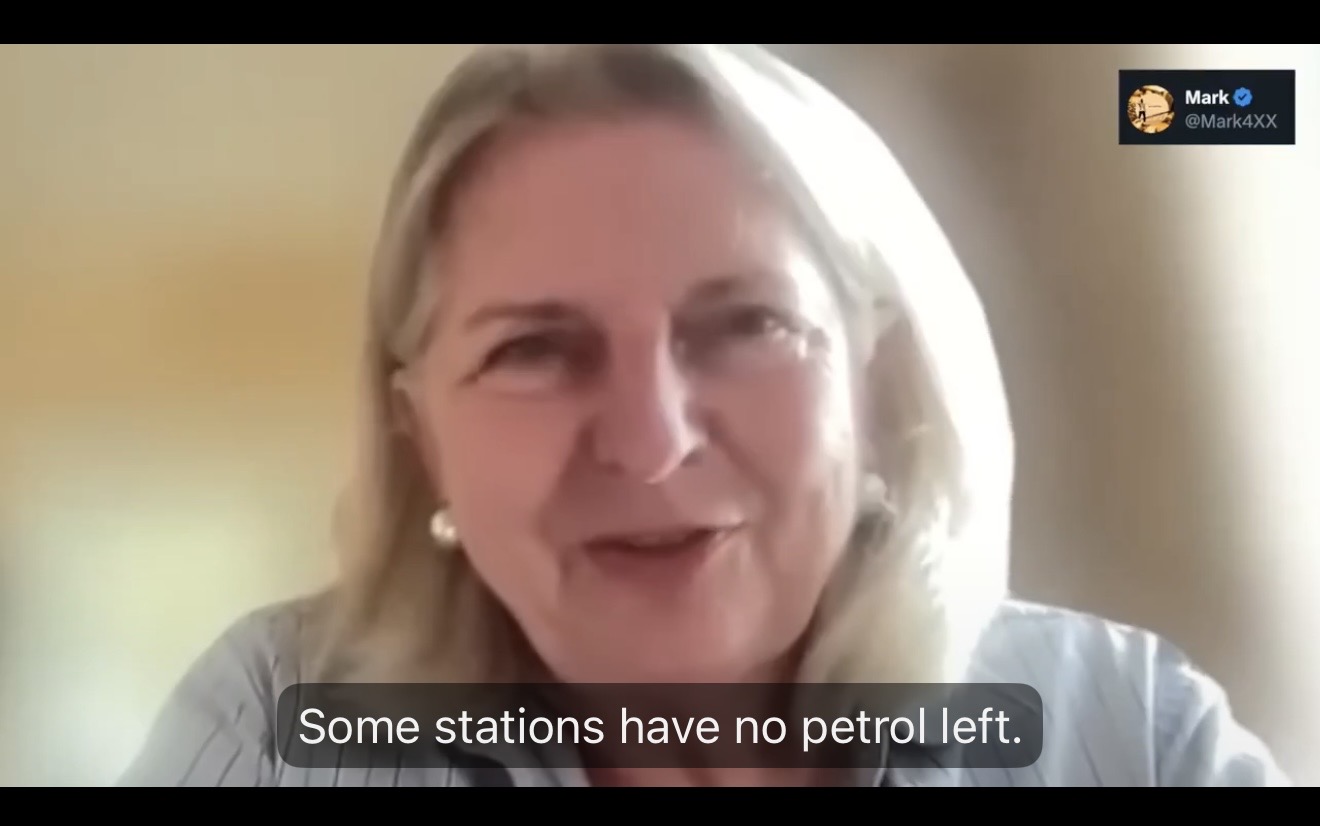
According to Kneissl, Europe’s ability to rebuild gas inventories has been hampered by insufficient summer purchasing, increasing the risk of supply shortages during the autumn and winter months. She also referred to German government contingency planning for extended power outages, arguing that authorities are preparing for the possibility of prolonged disruptions.
Beyond energy security, Kneissl warned that Germany’s industrial base is facing intensifying strain. She cited announced job cuts at BMW, restructuring across the country’s automotive sector, and changes to Volkswagen’s longstanding employment guarantees as signs of broader structural challenges. In her assessment, high energy costs, growing competition from Asian manufacturers, advances in artificial intelligence, and regulatory burdens are combining to erode Germany’s industrial competitiveness.

Austria, whose manufacturing sector is closely integrated with Germany’s economy, could face significant spillover effects, she said. Kneissl argued that hundreds of thousands of Austrian jobs are linked directly or indirectly to the German automotive industry, leaving suppliers and industrial companies exposed if German production continues to decline. She also pointed to pressure on major Austrian manufacturers, including fibre producer Lenzing, as evidence of broader industrial weakness.
Kneissl concluded that the coming months will be critical for both countries, arguing that Europe’s energy reserves and industrial performance will play a decisive role in determining the region’s economic outlook through the winter.