


UK Prime Minister Keir Starmer Resigns After Turbulent Premiership
By Alpaslan Düven/London
Keir Starmer has resigned as Prime Minister of the United Kingdom, bringing an abrupt end to a premiership that lasted less than two years following Labour’s landslide 2024 election victory.
According to multiple reports, Starmer informed senior officials and the King of his decision on Monday, June 22, 2026, after weeks of mounting political pressure, internal party dissent, and a string of poor electoral results.
His resignation marks the latest chapter in a period of exceptional political instability in British politics, with the UK now having seen seven prime ministers since the Brexit referendum in 2016.
Starmer is expected to remain in office temporarily until a new Labour leader is selected, with leadership nominations opening in July and a successor likely in place before Parliament returns in September.
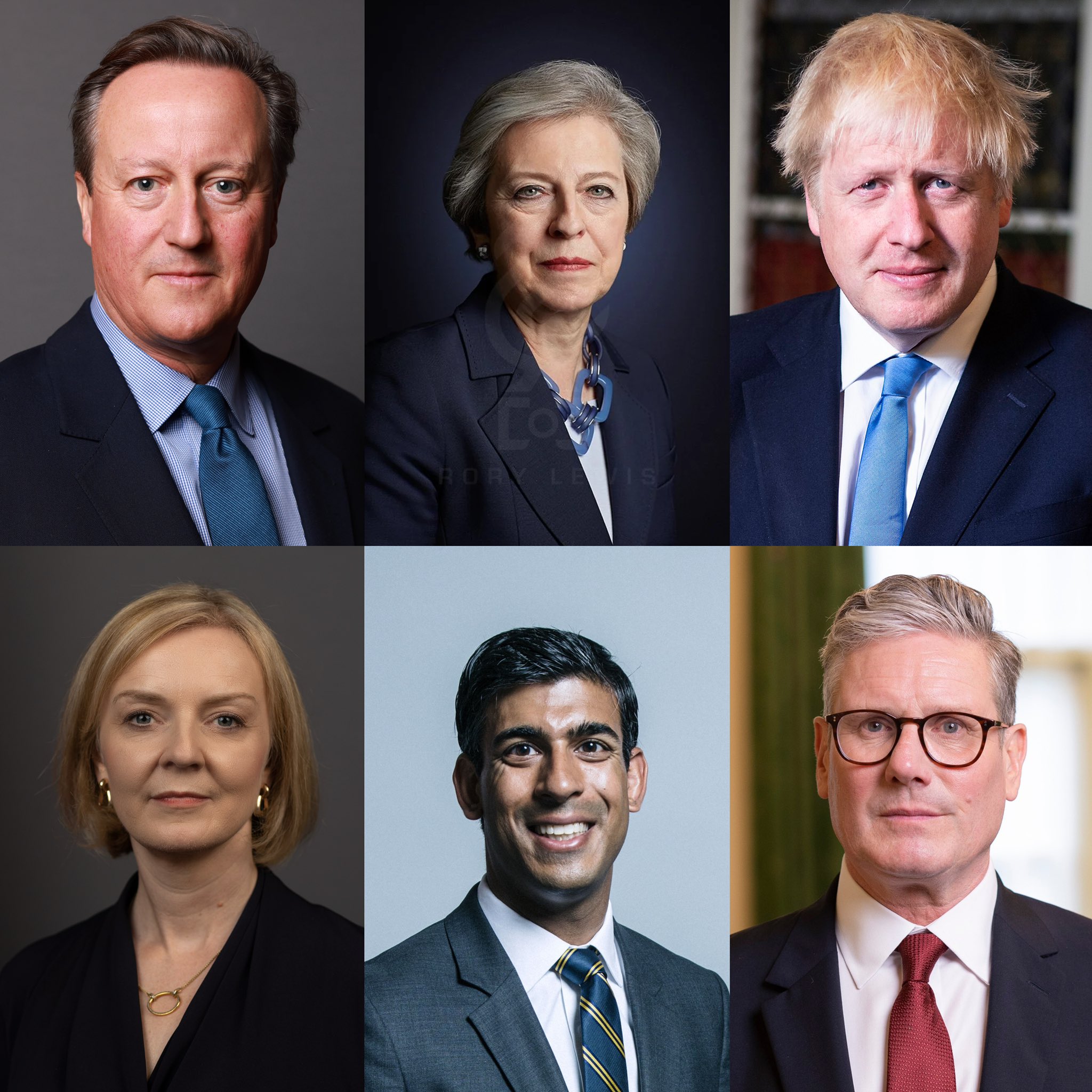
British Prime Ministers Since 2015 and Time in Office
The UK has experienced rapid leadership turnover over the past decade:
- David Cameron — ~6 years (2010–2016)
- Theresa May — 1,106 days (2016–2019)
- Boris Johnson — 1,140 days (2019–2022)
- Liz Truss — 49 days (2022)
- Rishi Sunak — 619 days (2022–2024)
- Keir Starmer — ~717 days (2024–2026, resigned)
A Decade of Political Turnover
The resignation continues a pattern of unusually short premierships driven by Brexit fallout, internal party fragmentation, economic pressures, and declining voter trust in major parties. The UK has effectively cycled through leadership every few years, with only Cameron and Johnson serving multi-year terms.
Analysts note that Starmer’s downfall followed a period of weakening party discipline, ministerial resignations, and rising opposition pressure, culminating in his decision to step down to allow a leadership transition.
What Happens Next
The Labour Party is expected to begin a rapid leadership contest in July 2026. Early speculation points to several potential contenders, though the outcome remains open.
A new prime minister could be in place within weeks, continuing the UK’s recent pattern of frequent changes at the top of government